
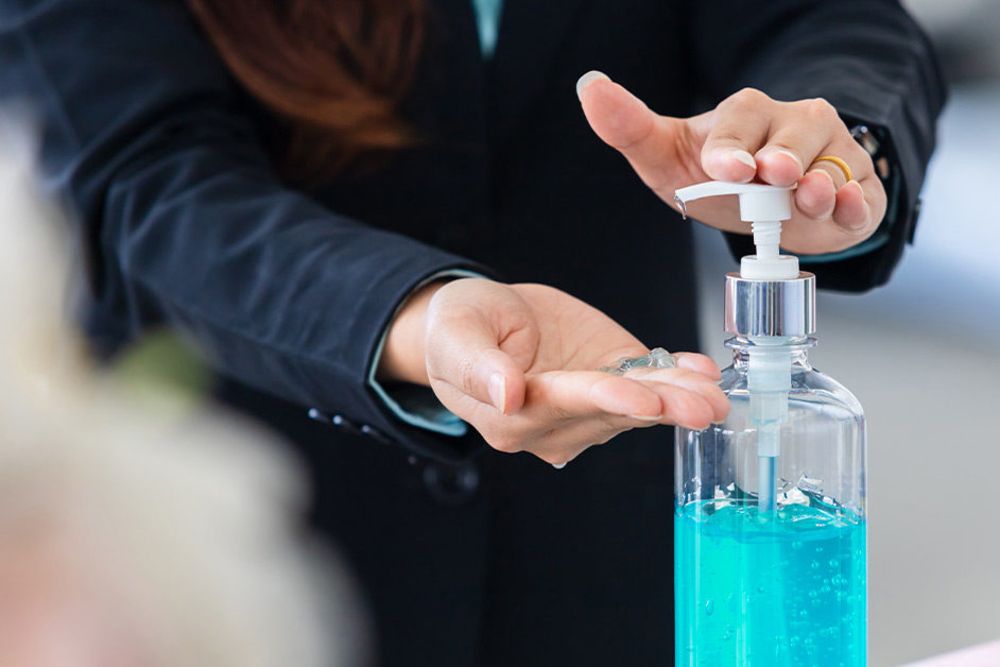
Are all hand sanitizers safe? No they are not. This update attempts to separate the wheat from the chaff. Frequent hand washing, social distancing and wearing a mask are important guidelines to follow for preventing the spread of the COVID 19 virus. Most public health experts would agree that washing hands with soap and water for 20 seconds is superior to using a hand sanitizer. If there are no facilities for hand washing with soap, then the use of a hand sanitizer is an acceptable alternative. The best choice however is hand washing.
Are all hand sanitizers safe ?
Are all hand sanitizers safe? No! Hand sanitizers need to be of of certain specifications for them to be effective. As per CDC guidelines they should contain at least 60% ethyl alcohol (ethanol) or 70% iso propyl alcohol. Methyl alcohol (methanol) based sanitizers have hardly any virucidal properties and are not effective. Not only are methyl alcohol based sanitizers not effective, but they are also toxic and can be absorbed through the skin. Accidental ingestion is also dangerous. Topical methanol can be particularly dangerous for children who have a large body surface area for weight compared to adults.
At the time of writing this article, the US FDA has not “approved ” any brand of sanitizer for COVID 19. Any hand sanitizer with an “FDA approved” label is fraudulent and could be toxic as well. Ethanol and Methanol smell almost the same. Differentiating between them on the basis of odour is difficult. Methanol is a byproduct during alcohol distillation and a sloppy manufacturing process could fail to remove it from the final finished product which could result in its toxic manifestations.
The US FDA has noticed hand sanitizers with 81% methanol being sold in the US. They have identified over 75 brands of sanitizers in the US market that contain dangerous levels of methanol. The FDA, on its website, has a list of hand sanitizers that have been recalled due to the presence of toxic levels of methanol. The American Association of Poison Control Centres (AAPCC) have identified over 17,000 cases of methanol toxicity secondary to hand sanitizer use in 2020. this is a 50% jump in numbers compared to the previous year
Methanol toxicity:
Are all hand sanitizers safe? those containing methanol certainly are not. Methanol toxicity can occur with ingestion, inhalation and transdermal absorption through the skin. It typically manifests 12-24hrs after exposure. Blindness, seizures, severe metabolic acidosis and vomiting are common manifestations. Ocular manifestations of methanol toxicity are secondary to optic neuropathy and retinal pigmentation. Are all hand sanitizers safe for children? None of them are! Accidental ingestion by children can result in death. Approximately 30ml in a child and 200ml in an adult could be lethal.
Fomepizole (4-methylpyrazole) and ethanol are effective antidotes for methanol poisoning. Fomepizole and ethanol serve as antidotes for methanol poisoning by inhibiting alcohol dehydrogenase and stop the conversion of methanol to its toxic metabolite, formic acid.
When alcohol dehydrogenase is inhibited, clearance of methanol is prolonged from approximately 8.5 mg/dL/hr to an effective half-life of 45 to 90 hours. Fomepizole is usually given intravenously. An initial loading dose of 15 mg/kg, followed by an infusion of 10 mg/kg every 12 hours for 4 – 5 cycles or continuing until the methanol concentration in the blood is less than 32 mg/dl. Ironically intravenous ethanol can also be used to treat methanol toxicity.
Recomendations for the public
As answers to the question: are all hand sanitizers safe? Here are some useful nuggets of information.
- Use alcohol based hand sanitizers or rubs only for their intended purpose – to disinfect / clean your hands.
- Make sure your sanitizer contains at least 60% ethanol or 70% iso propyl alcohol.
- Do not swallow /gargle any alcohol based hand sanitizers or hand rubs. They are not intended for internal consumption and can lead to serious complications, including death if ingested.
- Seek medical attention urgently if you have accidentally swallowed an alcohol-based hand sanitizer or rub or experience symptoms from repeated use of these products on your skin. Symptoms include headache, blurred vision or complete blindness, nausea, vomiting, abdominal pain and a loss of coordination.
- Always keep alcohol based hand sanitizers or rubs out of reach of children.
- Always check the expiry date label on the sanitizer bottle.
- Methanol based sanitizers have not been approved by the FDA, CDC or WHO.
- Since methanol is an impurity during the alcohol distillation process it may not be listed as an ingeredient on the product label.
- Avoid santizers based on benzalkonium chloride. These are less effective against COVID 19 compared to ethanol based sanitizers.
- Making your own sanitizer is not advisable. A wrong mix of chemicals could make your sanitizer ineffective and also cause skin burns.